
Cybersecurity Fundamentals is no longer optional in today’s digital world. With the increasing reliance on technology in business, education, and daily life, understanding the fundamentals of cybersecurity is essential for protecting sensitive information, preventing cyberattacks, and maintaining trust. This guide will cover the core aspects of cybersecurity, its importance, and key practices every individual and organization should adopt.
What is Cybersecurity?
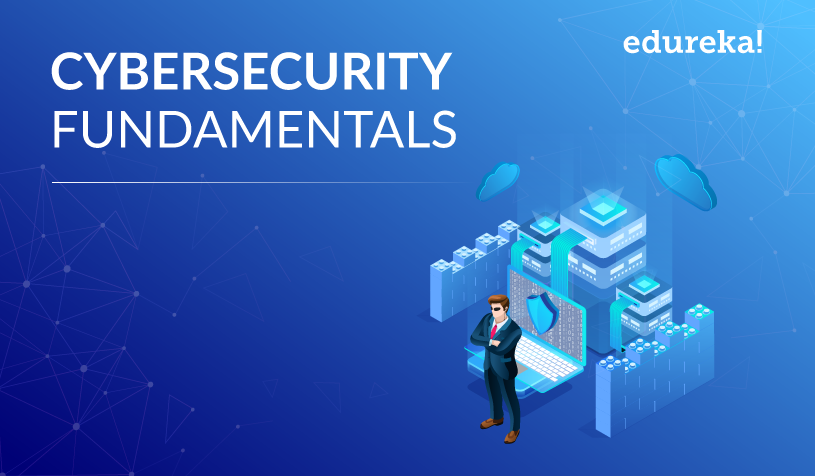
Cybersecurity refers to the practice of protecting computers, networks, programs, and data from unauthorized access, damage, or theft. It encompasses technologies, processes, and practices designed to safeguard digital systems from cyber threats, including viruses, malware, phishing attacks, and hacking attempts. Cybersecurity is crucial for individuals, businesses, and governments to ensure the confidentiality, integrity, and availability of digital information.
Importance of Cybersecurity
- Protection Against Cyber Threats
Cybersecurity helps prevent unauthorized access to sensitive data, including personal information, financial records, and business secrets. Cyber threats like malware, ransomware, and phishing can cause significant financial and reputational damage. - Maintaining Data Integrity
Data integrity ensures that information remains accurate and unaltered during storage or transmission. Effective cybersecurity prevents unauthorized modifications, ensuring trust in digital systems. - Compliance with Regulations
Many industries are required to follow cybersecurity regulations to protect consumer data. Non-compliance can lead to penalties, lawsuits, and damage to reputation. - Business Continuity
Cyberattacks can disrupt operations. A strong cybersecurity framework ensures that businesses can continue operating smoothly even when facing cyber threats.
Key Cybersecurity Concepts
1. Confidentiality, Integrity, and Availability (CIA Triad)
The CIA Triad forms the foundation of cybersecurity:
- Confidentiality: Ensuring that sensitive information is accessed only by authorized individuals.
- Integrity: Maintaining the accuracy and consistency of data.
- Availability: Guaranteeing that systems and data are accessible when needed.
2. Types of Cyber Threats
Understanding common cyber threats is crucial:
- Malware: Malicious software designed to damage or gain unauthorized access to systems.
- Phishing: Fraudulent attempts to obtain sensitive information through deceptive emails or websites.
- Ransomware: Malware that encrypts data and demands payment for access.
- Denial-of-Service (DoS) Attacks: Overloading systems to make them unavailable.
- Man-in-the-Middle Attacks: Intercepting communications between two parties without detection.
3. Network Security
Network security focuses on protecting data during transmission and preventing unauthorized access. Techniques include:
- Firewalls to block unauthorized traffic.
- Intrusion detection and prevention systems (IDPS).
- Virtual Private Networks (VPNs) for secure remote access.
- Secure Wi-Fi configurations to prevent network breaches.
4. Application Security
Application security involves protecting software applications from vulnerabilities and cyberattacks. Methods include:
- Regular software updates and patches.
- Secure coding practices to prevent exploits.
- Implementing authentication and access controls.
- Conducting vulnerability assessments and penetration testing.
5. Endpoint Security
Endpoint security focuses on individual devices, such as computers, smartphones, and tablets, to prevent them from being exploited by cybercriminals. Key practices include:
- Antivirus and anti-malware software.
- Device encryption to protect stored data.
- Multi-factor authentication (MFA) for access control.
- Endpoint detection and response (EDR) solutions.
6. Identity and Access Management (IAM)
IAM ensures that the right individuals access the right resources at the right times. It involves:
- Role-based access control (RBAC).
- Single sign-on (SSO) for simplified authentication.
- Regular review of user permissions.
- Strong password policies and MFA implementation.
7. Cloud Security
As more businesses migrate to cloud platforms, securing cloud environments is vital. Measures include:
- Data encryption both in transit and at rest.
- Secure APIs and access controls.
- Monitoring cloud activity for unusual behavior.
- Compliance with cloud-specific regulations.
8. Incident Response and Disaster Recovery
Even with strong cybersecurity measures, breaches can happen. Organizations must have:
- Incident response plans to detect, contain, and mitigate threats.
- Disaster recovery plans to restore systems and data after an attack.
- Regular drills and updates to keep response strategies effective.
Cybersecurity Best Practices
- Keep software and operating systems updated.
- Use strong, unique passwords and enable multi-factor authentication.
- Educate employees about cyber threats and safe practices.
- Back up important data regularly and store it securely.
- Monitor network activity for suspicious behavior.
- Encrypt sensitive data both in storage and in transit.
- Limit access to critical systems based on roles and responsibilities.
- Implement robust endpoint protection and antivirus solutions.
Future of Cybersecurity
Cybersecurity continues to evolve with technology. Emerging trends include:
- Artificial Intelligence and Machine Learning: For detecting and responding to threats faster.
- Zero Trust Security Models: Assuming no user or device is inherently trusted.
- Quantum Cryptography: Enhancing encryption techniques.
- IoT Security: Protecting billions of connected devices from attacks.
- Cloud and Hybrid Security Solutions: Ensuring safety across multi-cloud environments.
The increasing frequency and sophistication of cyberattacks make cybersecurity a critical, ongoing process. Organizations and individuals must stay vigilant, adopt advanced security measures, and continuously educate themselves about emerging threats.
Conclusion
Understanding the fundamentals of cybersecurity is essential for safeguarding personal and organizational data in today’s digital landscape. From the CIA Triad to network, application, and cloud security, each layer plays a critical role in preventing cyber threats. Implementing best practices and staying updated with emerging technologies ensures resilience against attacks, maintains trust, and supports business continuity. Cybersecurity is not a one-time effort but a continuous commitment to protecting the digital world.