Leadership Skills Development In today’s fast-paced world, leadership is not just a title—it’s a skill set that can be developed and refined. Effective leaders inspire teams, drive innovation, and achieve goals that seem impossible. Whether you’re leading a small team, a department, or an entire organization, developing strong leadership skills is essential for career growth and personal development.
Understanding Leadership Skills
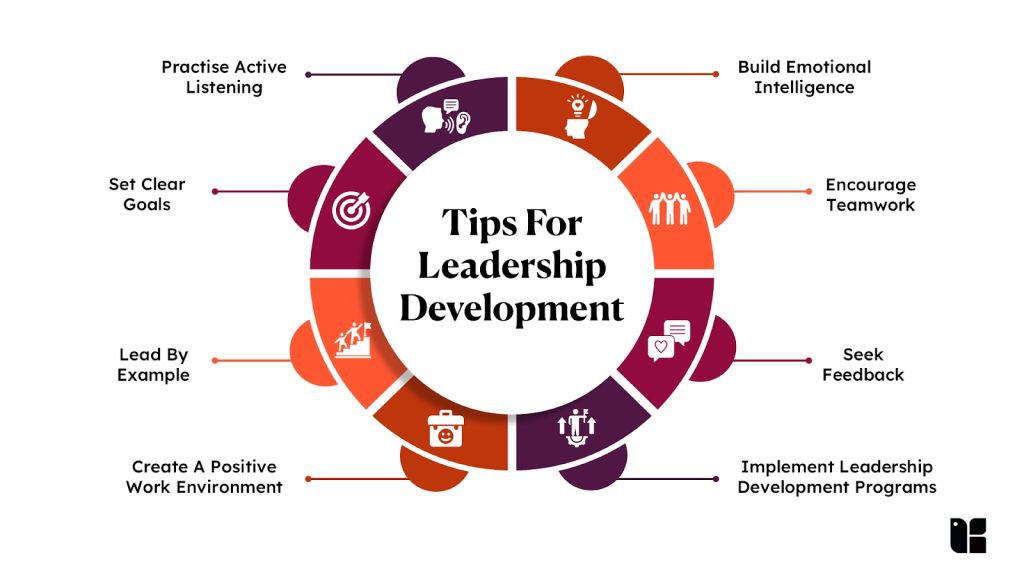
Leadership skills are a combination of interpersonal, strategic, and problem-solving abilities that allow an individual to guide others toward a common goal. These skills are not innate; they can be learned, practiced, and improved over time. Strong leaders possess the ability to communicate effectively, make informed decisions, manage conflict, and motivate their teams.
Some of the core leadership skills include:
- Communication: The ability to clearly convey ideas and expectations is fundamental for effective leadership. Strong communicators listen actively, provide constructive feedback, and maintain transparency.
- Emotional Intelligence: Leaders must understand their own emotions and empathize with others. Emotional intelligence allows leaders to manage stress, resolve conflicts, and build strong relationships.
- Decision-Making: Leadership often involves making tough choices under pressure. Effective decision-makers evaluate options, anticipate consequences, and act confidently.
- Strategic Thinking: Successful leaders can see the bigger picture. They plan ahead, set long-term goals, and align resources to achieve organizational objectives.
- Adaptability: The modern workplace is constantly changing. Leaders who adapt quickly to new situations and challenges are more effective in guiding their teams.
- Delegation and Empowerment: Strong leaders know they cannot do everything alone. Delegating tasks appropriately empowers team members and builds trust.
Steps to Develop Leadership Skills
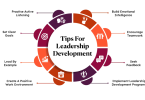
Developing leadership skills is a continuous journey. Here are practical steps to enhance your leadership abilities:
1. Self-Assessment
The first step is understanding your strengths and areas for improvement. Tools like 360-degree feedback, personality assessments, or leadership inventories can provide insights into your leadership style and gaps.
2. Continuous Learning
Leadership development requires continuous education. Reading books, attending workshops, and taking online courses on leadership topics can help you acquire new strategies and perspectives.
3. Practice Active Listening
Listening is a critical leadership skill. Focus on truly understanding your team’s needs and concerns. Encourage open communication and provide a safe environment for feedback.
4. Seek Mentorship
Learning from experienced leaders accelerates growth. Mentors provide guidance, share real-life experiences, and offer constructive criticism that can shape your leadership style.
5. Develop Problem-Solving Abilities

Leaders are often faced with complex challenges. Strengthen your analytical thinking and decision-making by tackling problems methodically, considering multiple perspectives, and learning from past mistakes.
6. Build Emotional Intelligence
Work on self-awareness, self-regulation, motivation, empathy, and social skills. Leaders with high emotional intelligence can manage team dynamics effectively and foster a positive work culture.
7. Take Initiative
Leadership is about action. Volunteering for projects, leading small teams, or initiating new ideas helps you gain experience, build confidence, and demonstrate your capabilities.
8. Learn Conflict Management
Conflict is inevitable in any team. Effective leaders address disputes constructively, mediate disagreements, and ensure resolutions benefit the overall team dynamic.
9. Cultivate a Growth Mindset
Leaders with a growth mindset see challenges as opportunities. They are open to learning, embrace feedback, and continuously strive for improvement.
10. Practice Accountability
Taking responsibility for your actions builds trust and credibility. Admit mistakes, learn from them, and model accountability for your team.
Benefits of Leadership Skills Development
Investing in leadership skills development provides numerous benefits for both individuals and organizations:
- Enhanced Team Performance: Effective leaders motivate their teams, resulting in higher productivity and efficiency.
- Improved Communication: Teams led by skilled leaders experience fewer misunderstandings and better collaboration.
- Career Advancement: Strong leadership abilities open doors to promotions, managerial roles, and strategic positions.
- Better Decision-Making: Leaders with well-developed skills make informed and timely decisions, minimizing risks.
- Stronger Organizational Culture: Leaders set the tone for workplace values, ethics, and culture, creating a positive environment.
- Increased Adaptability: Skilled leaders can guide teams through change and uncertainty with confidence.
Conclusion
Leadership is not a fixed trait; it is a set of skills that can be nurtured, honed, and expanded over time. By focusing on self-awareness, continuous learning, emotional intelligence, and proactive engagement, anyone can become an effective leader. Investing in leadership skills development not only enhances your career prospects but also drives organizational success and inspires those around you.
Strong leadership transforms ideas into reality, challenges into opportunities, and individuals into high-performing teams. Begin your leadership development journey today, and unlock your true potential as a capable, confident, and inspiring leader.