Career Growth Skills is no longer just about hard work and longevity in a job; it’s about continuously developing the skills that allow you to excel, adapt, and progress in your professional journey. In today’s competitive environment, cultivating career growth skills is crucial to achieving long-term success. These skills enhance your performance, open opportunities for promotions, and position you as a valuable asset in any organization.
1. Communication Skills

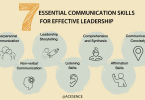
Effective communication is the cornerstone of career growth. This includes both verbal and written communication, as well as non-verbal cues like body language. Professionals who communicate clearly can present ideas confidently, influence others, and build strong relationships with colleagues and clients.
- Verbal Communication: Ability to speak clearly, concisely, and persuasively.
- Written Communication: Crafting professional emails, reports, and presentations.
- Active Listening: Understanding others’ perspectives and responding appropriately.
2. Leadership and Management Skills
Leadership skills are essential even if you are not in a managerial role. These skills demonstrate your ability to guide, inspire, and manage tasks or teams efficiently. Strong leadership leads to trust, influence, and career advancement.
- Team Management: Coordinating, motivating, and supporting team members.
- Decision-Making: Analyzing situations and choosing the best course of action.
- Conflict Resolution: Handling workplace disagreements professionally.
3. Time Management and Productivity
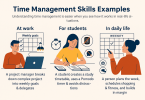
Time management is a vital career growth skill that impacts efficiency, stress levels, and professional reputation. Professionals who manage time effectively can handle more responsibilities and meet deadlines consistently.
- Prioritization: Focusing on tasks that yield the highest impact.
- Scheduling: Planning workdays to maximize productivity.
- Avoiding Procrastination: Staying disciplined and goal-oriented.
4. Adaptability and Problem-Solving
The modern workplace is dynamic, and the ability to adapt to change is critical for growth. Problem-solving complements adaptability, enabling professionals to navigate challenges and find effective solutions.
- Critical Thinking: Analyzing problems objectively and making reasoned decisions.
- Flexibility: Adjusting to new processes, technologies, or team structures.
- Innovation: Generating creative solutions to complex problems.
5. Technical and Digital Skills
Digital literacy and technical proficiency are no longer optional. Depending on your field, these skills are essential for staying competitive and demonstrating value in the workplace.
- Software Proficiency: Mastery of industry-specific tools and platforms.
- Data Analysis: Ability to interpret and utilize data to make informed decisions.
- Digital Communication Tools: Competence in remote collaboration software like Slack, Zoom, or Microsoft Teams.
6. Networking and Relationship Building
Building professional relationships is a key driver of career growth. Networking allows access to mentorship, collaboration opportunities, and potential promotions.
- Professional Networking: Attending events, conferences, and seminars.
- Mentorship: Seeking guidance from experienced professionals.
- Relationship Management: Maintaining strong connections with colleagues and stakeholders.
7. Emotional Intelligence
Emotional intelligence (EQ) is the ability to understand, manage, and leverage emotions in professional settings. High EQ enhances leadership, teamwork, and conflict resolution skills.
- Self-Awareness: Recognizing your strengths and weaknesses.
- Empathy: Understanding and respecting others’ emotions.
- Self-Regulation: Controlling impulses and responding thoughtfully.
8. Continuous Learning and Growth Mindset
Career growth depends on your willingness to learn and evolve. A growth mindset encourages resilience, adaptability, and the pursuit of excellence.
- Professional Development: Participating in workshops, certifications, and training.
- Knowledge Expansion: Staying updated with industry trends and best practices.
- Skill Enhancement: Regularly improving existing skills and learning new ones.
9. Strategic Thinking
Strategic thinking enables professionals to see the bigger picture, anticipate challenges, and plan effectively. It is a skill that positions you for leadership and higher responsibilities.
- Goal Setting: Defining short-term and long-term career objectives.
- Risk Assessment: Identifying potential risks and opportunities.
- Planning: Developing actionable strategies to achieve desired outcomes.
10. Professionalism and Work Ethic
Strong professionalism and a solid work ethic build credibility, trust, and respect among colleagues and management. These traits significantly impact career advancement.
- Reliability: Consistently meeting deadlines and fulfilling commitments.
- Integrity: Demonstrating honesty and ethical behavior.
- Accountability: Taking responsibility for actions and outcomes.
Conclusion
Mastering career growth skills is essential for anyone aiming to achieve professional success. By developing communication, leadership, time management, adaptability, technical abilities, networking, emotional intelligence, continuous learning, strategic thinking, and professionalism, you can accelerate your career trajectory and unlock opportunities for advancement. In today’s competitive workplace, these skills not only differentiate you from peers but also ensure long-term career sustainability.